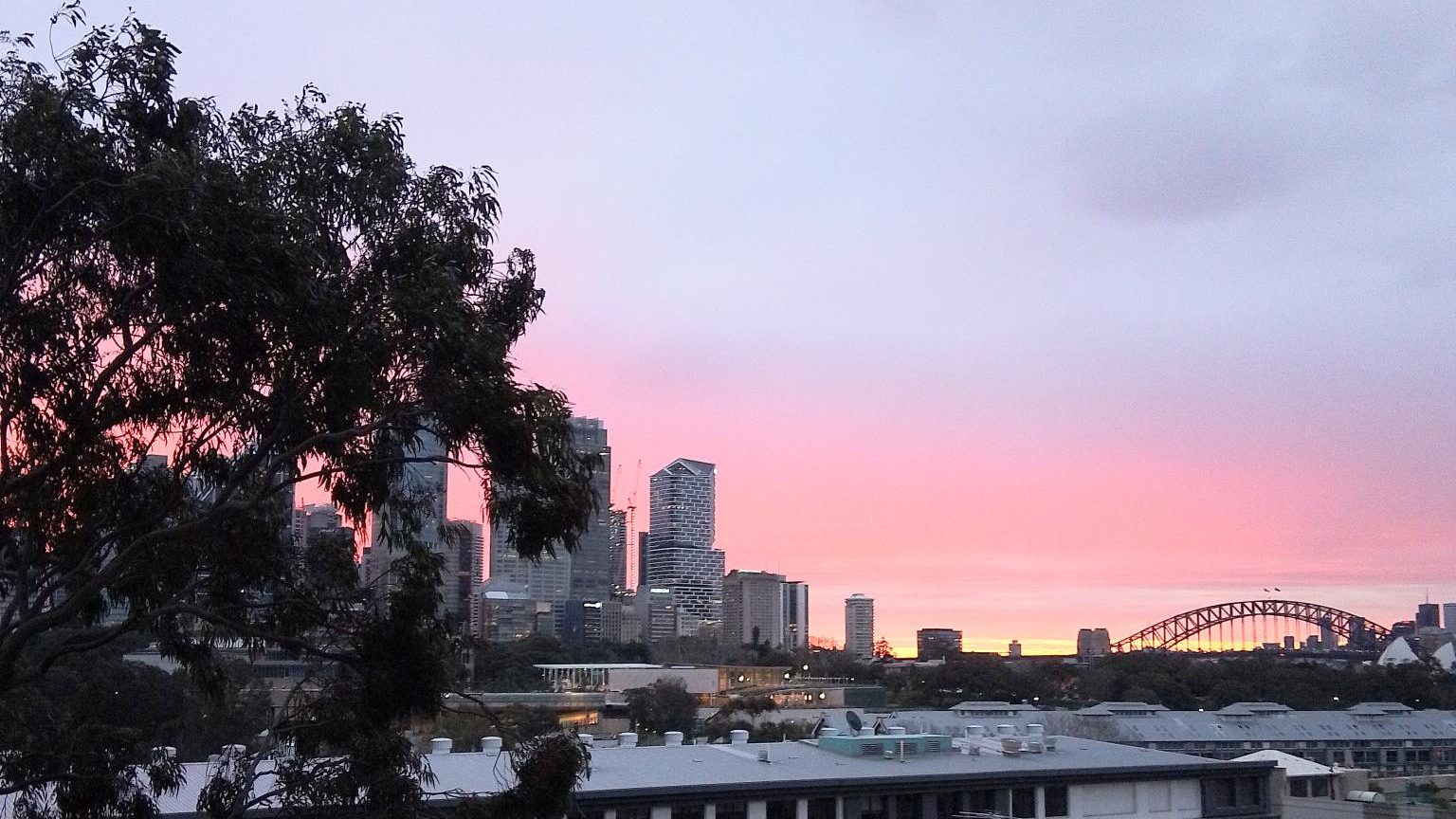
From the moment we leave home, whether we walk, cycle, take public transport or drive to go to about our lives in urban city centres, we pass through landscapes where natural features and built structures alternate and coexist.
Looking up, we see trees intertwining to provide shelter for birds’ nests along a tree-lined avenue, flocks of migratory birds embarking on long journeys over the rooftops, plants climbing the walls of houses and communicating with one another, or private gardens on terraces jealously guarded by pets. Looking down, we find seasonal flowers in botanical gardens, insects busily collecting pollen from ornamental flowers, and the water flowing in the city’s rivers, home to an entire underwater world.
Even in the most heavily human-made environments, we remain in constant contact with nature in all its forms, encounters that can be brief or prolonged, and that affect us in ways both positive and negative. They remind us, ultimately, that we too are part of ecosystems governed by physical, biological and chemical laws, and that our actions inevitably impact upon them. Yet pressing environmental challenges like biodiversity loss and urban rewilding are still mainly tackled from an ecological perspective. The social processes that shape, and are shaped by, the ecosystems we live in are equally important, yet remain largely overlooked.
A social science perspective on rewilding helps us understand how local communities connect to urban landscapes and native species. It shows us how rewilding benefits can be shared equitably, and how cities and towns can become spaces where people and species genuinely coexist. At its core, social sciences demonstrate that communities are essential to making nature conservation work.
As geographers and sociologists, we explore how humans relate to nature and other species in cities. Our role in the ‘Urban Rewilding’ project is to contribute to a broader understanding of urban life as a shared, multispecies experience. To do this, we work directly with local Sydney communities through surveys, interviews and observations, exploring their values, perceptions, attitudes and everyday behaviours towards nature and urban wildlife.
Main research topics:
- Human-nature relationships in cities
- Human-wildlife relationships in cities
- Attitudes and behaviours towards rewilding and species to be reintroduced
- Cultural values influencing rewilding
- Place attachment influencing rewilding
- Perceptions of wildlife in cities
- Environmental management of rewilding
For any questions or enquiries about our social research, please contact Valentina Miriam Cittati vcit0318@uni.sydney.edu.au or Kate Lovell klov3715@uni.sydney.edu.au
 Sydney Rewilding Initiative